
Celebrity gamblers How fame influences risk-taking in high-stakes games

Celebrity gamblers How fame influences risk-taking in high-stakes games
The Allure of High-Stakes Gambling
High-stakes gambling has always captivated the public’s imagination, and when it involves celebrities, the intrigue deepens. Famous individuals bring a unique blend of glamour and thrill to the tables, turning games into events that garner significant media attention. Many celebrities thrive in high-pressure environments, and this translates into their gambling behavior, where the stakes are often exponentially higher than for the average player. For them, the game is not just about the money; it’s also about the status and the adrenaline rush that accompanies high-stakes gambling. To enhance their gaming experience, some players opt for payid online pokies that offer convenience and speed.
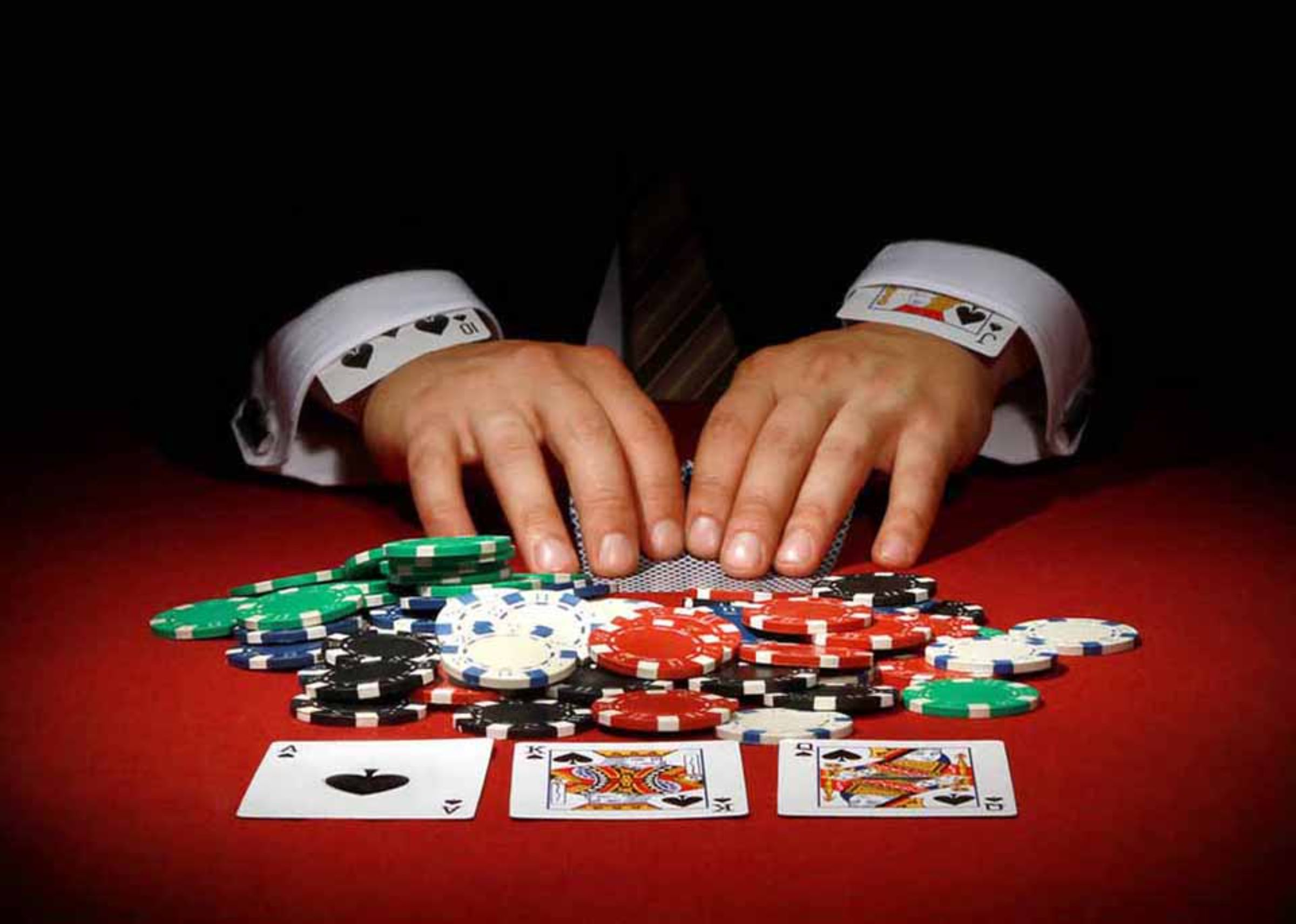
Moreover, celebrities often have access to exclusive gambling venues that cater to the rich and famous. These elite establishments offer not just games, but a lifestyle—luxury accommodations, fine dining, and personal service that elevate the entire gambling experience. This exclusivity can amplify the thrill and the perceived risk, encouraging celebrities to take bolder bets. The atmosphere of such venues, combined with their social circles, often encourages them to push boundaries, making risk-taking almost a norm among the elite gamblers.
The social aspect of gambling also plays a crucial role. Celebrities often gamble in groups, surrounded by friends or fellow stars, adding a layer of camaraderie to the experience. This social dynamic can create a sense of competition, prompting even more daring bets. When you’re sitting at the table with other high-profile individuals, the desire to showcase success can lead to riskier decisions, as the lines between fun and financial responsibility blur.
The Psychology Behind Celebrity Gambling
Understanding the psychology of celebrity gamblers reveals complex motivations that drive them towards high-stakes games. One significant factor is the thrill-seeking personality trait commonly found among successful individuals. Many celebrities possess an innate desire for excitement and adventure, making high-risk situations appealing. In this context, gambling becomes an extension of their lifestyle, reflecting their need for adrenaline and competition.
Additionally, the celebrity lifestyle often comes with immense pressures, including public scrutiny and the constant need to maintain a particular image. Gambling may offer an escape from these pressures, allowing celebrities to indulge in reckless behavior without immediate consequences. This escape can be thrilling but also dangerous, as it can lead to a cycle of risk-taking that becomes harder to control. The momentary highs of winning can be addictive, potentially leading to significant financial repercussions.
Moreover, the influence of peers can magnify these psychological effects. Many celebrities are part of social circles where gambling is normalized, reinforcing the idea that risk-taking is a valuable trait. The shared experience of winning and losing can foster a sense of belonging that transcends monetary value, making the act of gambling more about socialization than financial gain. As a result, the line between responsible gambling and reckless abandon can become increasingly blurred.
Famous Celebrity Gamblers and Their Stories
Numerous celebrities have made headlines for their gambling exploits, showcasing both the allure and the perils of high-stakes gaming. For instance, actor Ben Affleck gained notoriety for his card-counting skills, reportedly winning a significant amount at blackjack tables. His story highlights how some celebrities approach gambling with a strategic mindset, viewing it as a game of skill rather than pure chance. This perspective can sometimes lead to major victories but also invites challenges, including being banned from certain venues.
On the other end of the spectrum, there are celebrities like the late sports legend Michael Jordan, who was known for his competitive spirit both on and off the court. His gambling habits often sparked controversy, illustrating the darker side of risk-taking. While many admired his drive, his choices raised questions about the potential consequences of gambling addiction. Such stories serve as cautionary tales about the fine line between enthusiasm for gambling and the risks associated with it.
Moreover, the landscape of celebrity gambling extends beyond traditional casino games. Many high-profile figures partake in poker tournaments, where the stakes can reach millions. Poker not only requires skill but also a deep understanding of psychology, making it an ideal game for those who enjoy competition. Celebrities like Jennifer Tilly and Ray Romano have made names for themselves in this arena, demonstrating that fame and talent can converge in unexpected ways, further enriching the narrative surrounding celebrity gamblers.
The Role of Media and Public Perception
The media plays a pivotal role in shaping public perception of celebrity gamblers. Coverage of their gambling habits often glamorizes risk-taking behavior, portraying it as an exciting aspect of their lifestyles. This portrayal can influence public attitudes towards gambling, making it seem like an acceptable and even desirable pastime. The allure of celebrity culture often leads fans to emulate their idols, which can have serious implications, particularly for impressionable audiences.
Furthermore, the sensationalism surrounding celebrity gambling stories can overshadow the potential dangers involved. While high-stakes games can lead to exciting narratives, they also come with risks, including addiction and financial ruin. The media often focuses on the wins, neglecting to highlight the stories of celebrities who have faced significant setbacks due to their gambling habits. This one-sided portrayal can create unrealistic expectations and encourage risky behavior among fans.
As a result, celebrities often find themselves in a double-edged situation where their gambling exploits can be both celebrated and criticized. On one hand, they enjoy the glamor associated with their risk-taking; on the other, they must navigate the consequences of public scrutiny. This dynamic can create immense pressure, prompting some celebrities to either double down on their gambling habits or withdraw from the public eye entirely to escape the spotlight.

Conclusion: The Future of Celebrity Gambling
As gambling continues to evolve with technology and societal attitudes, the future of celebrity gambling remains uncertain. The rise of online gaming platforms has opened new avenues for celebrities to engage in high-stakes games from the comfort of their homes or exclusive venues, making it easier for them to gamble in a more private setting. This shift could lead to changes in how celebrities interact with gambling, with potential implications for public perception and accountability.
Additionally, as awareness of gambling addiction grows, celebrities may face increasing pressure to adopt responsible gambling practices. Public figures often serve as role models, and the expectation for them to set a good example could influence their gambling behavior in significant ways. As more celebrities speak out about their experiences, it could foster a more open dialogue about the risks associated with gambling, ultimately benefiting their fans.
In conclusion, the interplay between fame and gambling offers a fascinating glimpse into the psychology of risk-taking. Celebrity gamblers operate in a unique space where the thrill of the game meets public scrutiny, making their stories compelling yet cautionary. As society continues to grapple with the challenges and opportunities presented by gambling, the narratives of celebrity gamblers will undoubtedly remain relevant, inviting both admiration and concern.