
The rise and fall of gambling A historical perspective on its evolution

The rise and fall of gambling A historical perspective on its evolution
Ancient Beginnings of Gambling
The origins of gambling can be traced back thousands of years to ancient civilizations. Archaeological evidence suggests that dice made from bones were used as far back as 3000 BC in Mesopotamia. Early cultures such as the Chinese, Egyptians, and Romans engaged in various forms of betting, often linked to religious rituals and community events. These early activities laid the groundwork for the complex gambling systems we see today, including exciting new avenues like https://adriantodoran.ro/ that highlight the evolving landscape.
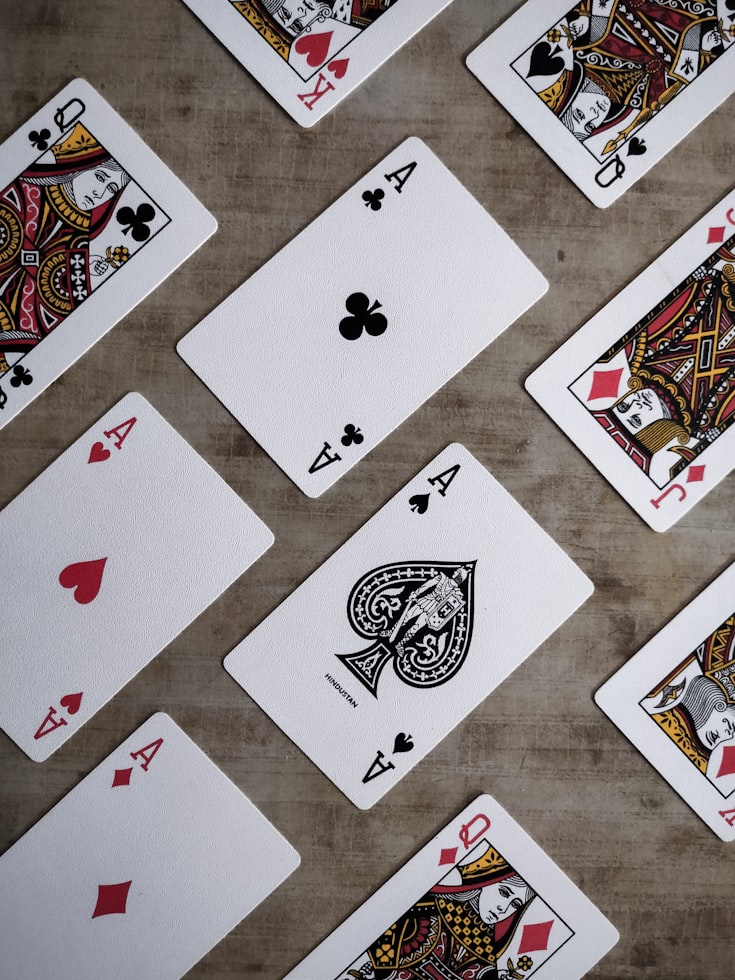
In ancient China, for instance, the game of Keno was developed as a means of raising funds for government projects. Similarly, the Romans popularized betting on gladiatorial games, intertwining the thrill of competition with the chance of financial gain. This blend of entertainment and risk quickly became a staple of social life, illustrating the timeless allure of gambling.
The Evolution Through the Middle Ages
The Middle Ages marked a significant transition in the landscape of gambling. During this period, various games of chance began to emerge, influenced by cultural exchanges across Europe and Asia. Cards, which likely originated in China, gained popularity in Europe, leading to the establishment of gaming houses. These venues offered a social space for nobles and commoners alike to engage in games like dice and cards.
However, the Church’s stance on gambling during this time created a complex relationship between society and betting. While it was often condemned as immoral, many still participated in secret, revealing the deep-rooted human fascination with chance and luck. The duality of gambling as both a vice and a form of entertainment continued to evolve, setting the stage for its later commercialization.
The Birth of Modern Gambling
The 17th and 18th centuries heralded the birth of modern gambling as we know it today. The establishment of state lotteries in Europe introduced a new level of organization and legality, allowing governments to regulate and profit from gambling activities. This period also saw the rise of sports betting, particularly on horse racing, which captured the public’s imagination.
As gambling became more structured, so did the social implications of betting. With the creation of casinos in cities like Venice and Monte Carlo, gambling transformed from a casual pastime into a formal industry. This evolution not only reflected changing attitudes toward risk and reward but also highlighted the growing intersection of gambling with social status and wealth.
The Challenges of the 20th Century
The 20th century presented both challenges and opportunities for the gambling industry. The Great Depression led to the temporary closure of many casinos, while Prohibition in the United States pushed gambling underground. However, as economic conditions improved, states began to see the financial benefits of legalized gambling and began to reintroduce it.
This era also saw the emergence of gambling addiction as a recognized issue. The increased accessibility of gambling facilities raised concerns about the potential for negative social impacts. Advocacy for gambling addiction awareness and responsible gaming practices became critical as more people fell victim to addiction. The establishment of support groups and resources aimed at raising awareness and providing assistance marked a crucial step in addressing these challenges.

Conclusion: The Current State of Gambling
Today, gambling exists in a multifaceted environment shaped by technology and regulation. The rise of online casinos and mobile gaming has revolutionized how people engage with gambling, making it more accessible than ever before. This digital transformation has led to significant growth in the industry, but it has also intensified discussions around gambling addiction and responsible practices.
As awareness of gambling addiction continues to grow, the industry faces the challenge of balancing profit with social responsibility. The historical journey of gambling serves as a reminder of its complex nature—an activity that can bring joy and excitement but also carries risks that must be managed. Understanding this evolution is crucial for fostering a healthier relationship with gambling in the modern world.