
iGaming payment challenges 2026: declines, reserves, offboarding

Disengaged and disenchanted players are guaranteed to shift to competing platforms, leading to revenue loss. Player loss can have an immediate impact on an iGaming website’s revenue and reputation. Similarly, gamification elements such as leaderboards, achievements, and game challenges can be used to improve the game experience and make it more enjoyable. In as competitive a market as iGaming, keeping the players is as critical as getting them. Poor or erratic payment mechanisms can rage players, damage trust, and negatively impact player retention. Otherwise, the players would be lost, particularly in markets where there are inclinations towards specific payment methods as compared to others.
Many of these technologies will become more accessible and affordable as they mature, allowing smaller operators to adopt them gradually. It should lead to faster transaction approvals and fewer false positives, improving the user experience. While not mandatory, it will likely become a standard option most reputable platforms offer for enhanced security. Contact our team of experts today to learn how we can help you implement cutting-edge payment solutions that will keep you ahead of the competition. Leveraging big data and AI, iGaming operators will offer highly personalized payment experiences by 2025.
Partnering with the right acquirers grants access to local payment networks, boosting acceptance rates and enabling faster settlements. It’s not uncommon to see teams spending days reconciling transactions or waiting weeks for new acquirer onboarding. Adding a new acquirer through an already-integrated connector takes days, not weeks. Unified reporting through an orchestrator.
Many casinos now offer hybrid payment systems combining crypto and fiat currencies. Card payments remain one of the most widely used payment methods for online casinos and sportsbooks. Modern gambling operators use a combination of payment methods to maximise accessibility and approval rates.
Fraud Risks and Security Issues

As we look towards 2025, several key trends are emerging that will shape the future of payments in online casinos and sports betting how white-label payment gateways work platforms. Contact iGamingCore today to explore advanced payment solutions for iGaming platforms. We help online casinos and sportsbooks build scalable, compliant, and high-converting payment systems. At iGamingCore, we specialise in payment infrastructure designed specifically for the online gambling industry. Choosing the right provider directly impacts player satisfaction and operational efficiency.
These funds are effectively inaccessible for operational liquidity, investment, or growth initiatives. These services assist in gathering evidence, preparing compelling arguments, and submitting responses to card networks, thereby increasing the chances of chargeback reversal and reducing financial losses. Moreover, fostering cross-platform intelligence sharing among operators, within legal and data privacy boundaries, can create a collaborative defence against known fraudsters. This includes the cost of fraud detection software, dedicated fraud analysis teams, customer support for dispute resolution, and legal expenses.
For companies that need total igaming payment solutions, then working together with industry experts is the basis. Features including accepted payment methods, security tiers, integration complexity, and compliance needs all affect price. The operators will focus more on omnichannel payment systems to offer a cohesive experience across desktop, mobile, and in-app channels. Artificial intelligence and machine learning will be even more influential in preventing fraud and offering customized payment experiences. Modern iGaming platforms require payment software that integrates easily with existing systems, including affiliate networks, CRM, and gaming engines. Players expect near-instant deposits to start gaming immediately and quick withdrawals to access their winnings without undue delay.
Chargebacks
Card decline rates in iGaming run 20-40% depending on region and issuing bank. This isn’t a consulting report. They’re a business-critical process. Payments in iGaming aren’t a technical task. Most operators lose 15-30% of potential revenue to payment processing friction and don’t even know it.
As noted by GlobeNewswire, the requirement to maintain high rolling reserves leads to substantial initial deposits, which can be a significant financial burden for operators (globenewswire.com). If a transaction or a series of transactions triggers a suspicious activity report, the funds involved may be frozen pending investigation by financial intelligence units or regulatory bodies. The funds are essentially a collateral against the potential financial liabilities arising from disputed transactions, offering a buffer for PSPs and banks. Due to the inherently higher risk of chargebacks in the iGaming sector (as discussed in Section 4), acquiring banks and Payment Service Providers (PSPs) typically demand that operators maintain a rolling reserve.
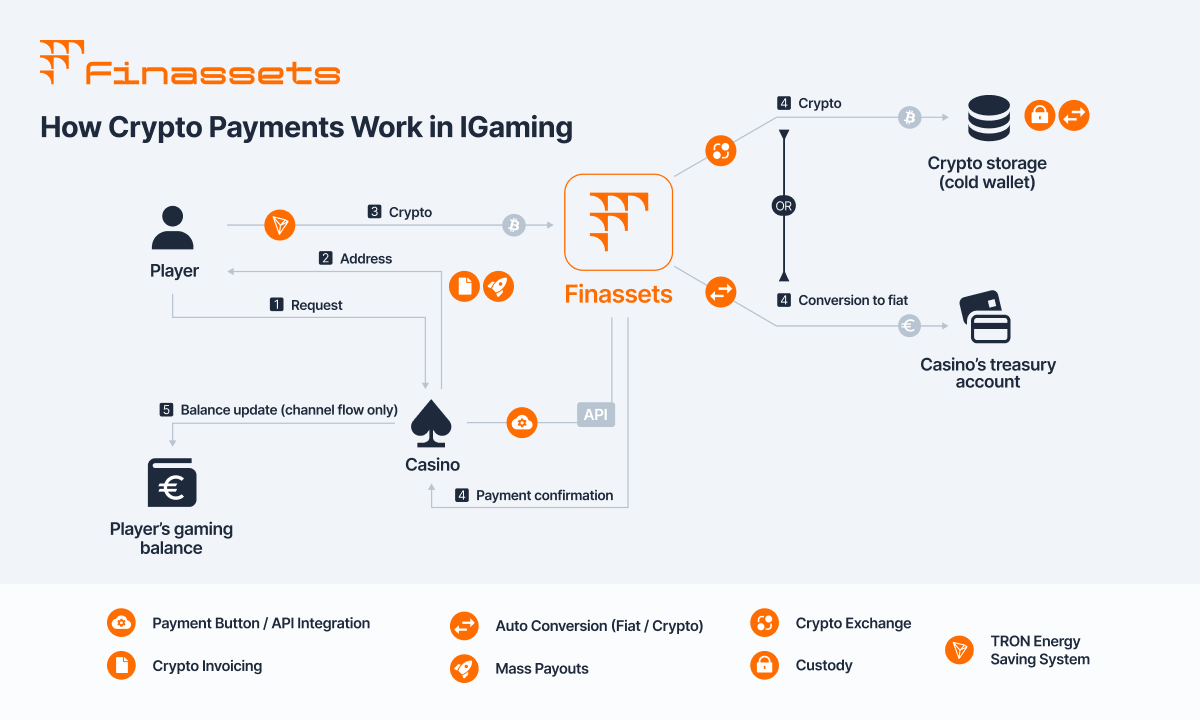
The complications in payment processing in the iGaming industry, however, create many such issues. In order to assist in reducing legal threats, iGaming operators should spend money on compliance staff and legal professionals who possess clear knowledge of the law in the jurisdictions they operate. Not being able to abide by the new laws can lead to substantial fines, loss of their licenses, or be sued, thus the necessity to remain up to date and adjust to new requirements by law. For example, several US states have legalized online sports betting in recent times, and others will probably join suit. Laws mandate operators to offer amenities and facilities for gambling addiction treatment, self-exclusion, and limit setting. Operators should implement robust Know Your Customer (KYC) procedures, observe transactions for suspicious activity, and report suspicious transactions to the respective agencies.
It goes without saying that a good business relationship is essential for a successful operation because loyalty and trust are critical components in any business partnership. Open banking and crypto consistently deliver lower fees and zero chargeback exposure, while card methods see decline rates above 13% and meaningful chargeback risk. By routing transactions dynamically across multiple acquirers and payment methods, you reduce single points of failure and consistently improve approval rates.
By offering a wide range of payment methods, platforms can attract and retain more players, as seen in PayDo’s services for the iGaming industry. For example, a leading iGaming platform saw an increase in player retention after optimizing its iGaming payment processing system to support faster transactions and multiple payment methods. IGaming payment processing impacts the operator’s bottom line and the player’s experience. Understanding chargebacks in high-risk industries is critical for maintaining payment stability in the gaming sector. Full visibility into fees by processor, method, and market – and clear settlement reporting that supports cash flow management.
Users have little incentive to seek alternatives if they can instantly deposit and have their earnings credited to their accounts on the same day. A noticeable increase in overall revenue is observed when operators enhance that experience. When the primary option encounters a technical issue or an unforeseen banking problem, the system promptly attempts a second or third alternative pathway. Upon a player’s withdrawal request, the system evaluates numerous banks and swiftly selects the one most likely to authorize that particular transaction. This segment of the infrastructure links the iGaming operator to local banks in the specific areas where players reside.
Only officially recognized esports and online social games that do not involve staking remain permissible. Here, fiat access refers to virtual accounts and QRIS facilitated by aggregators. Japan is not a market for an online casino operator to enter. Japanese players’ funds are still collected by offshore casinos via payment agents, with each transaction contributing to an illicit market. As of September 25, 2025, Japan has implemented a ban on displaying illegal online gambling sites and applications to its citizens, as well as on sharing content that directs individuals to such platforms. While pachinko and horse racing are legal under their own regulations, online casinos are prohibited in Japan.