



Understanding the psychology behind gambling behavior in casinos

Understanding the psychology behind gambling behavior in casinos
The Allure of Luck in Gambling
The psychological appeal of luck is a powerful motivator for many who step into casinos. The thrill of potentially hitting a jackpot or experiencing a surprising win creates an adrenaline rush that keeps players engaged. This concept of luck taps into our desire for instant gratification, as even a small win can release dopamine, the brain’s pleasure chemical. The unpredictable nature of games heightens anticipation and excitement, making players more likely to gamble again in hopes of replicating that exhilarating experience. For those curious about opportunities, Which casino does not need verification? can be an interesting topic to explore.
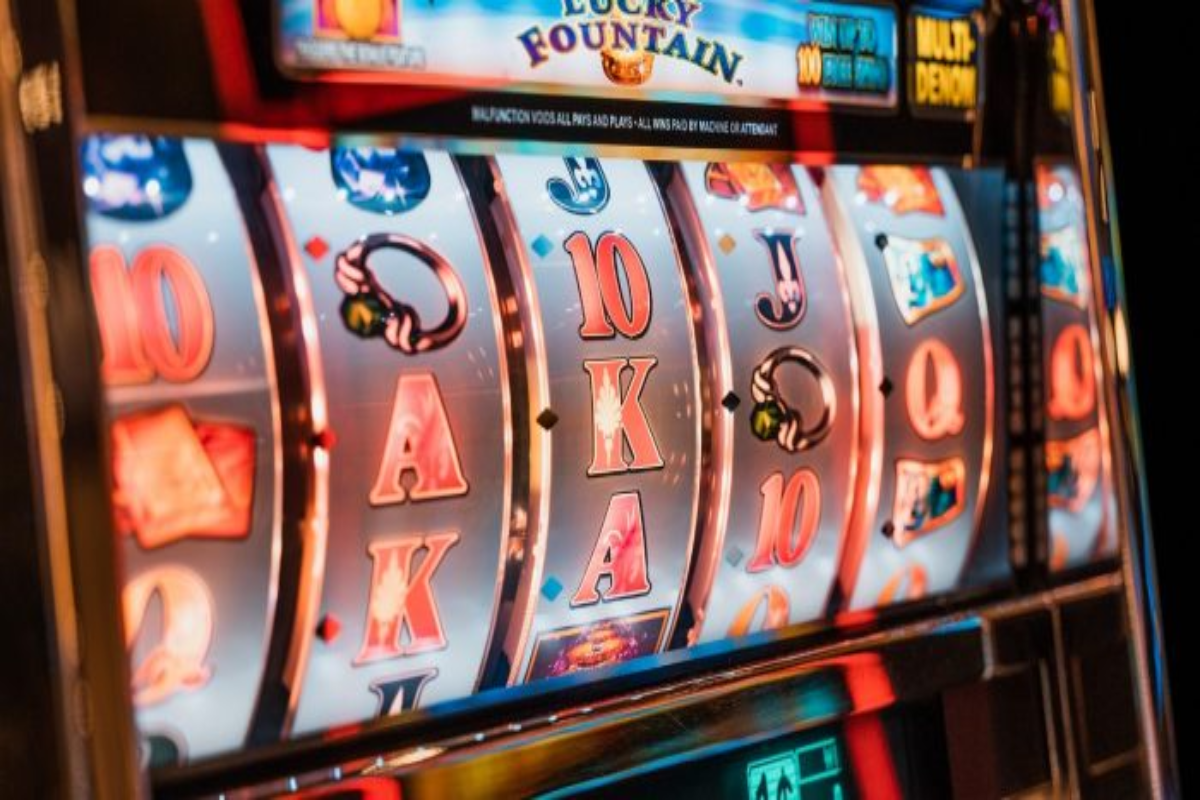
In casinos, the environment is designed to amplify this sense of luck. Colorful lights, loud sounds, and the presence of other excited players create a stimulating atmosphere that encourages continued play. The psychology behind these elements is strategic; casinos aim to make players feel as though they are part of a winning streak, even when the odds are stacked against them. This sense of community can be particularly enticing, fostering a belief that luck can be shared among players.
Addiction to luck-based games often stems from the reinforcement of positive experiences. When players win, even if just occasionally, it becomes a powerful incentive to keep playing. Over time, this cycle of hope and reward can lead to compulsive behavior, where the thrill of the gamble overshadows logical decision-making. Understanding this dynamic is essential for recognizing the psychological underpinnings of gambling behavior in casinos.
The Role of Skill in Gambling
While many casino games are based on chance, skill can play a significant role in certain types of gambling, such as poker and blackjack. Players who invest time in understanding strategies and probabilities often feel a greater sense of control over the outcome. This perceived control can reduce anxiety and enhance the overall gaming experience, making skill-based games particularly appealing to certain individuals. Many players find satisfaction in honing their skills and demonstrating their expertise, leading to deeper engagement.
Moreover, the social dynamics of skill-based games can also contribute to a unique psychological experience. Competing against others who are equally skilled can foster a sense of camaraderie and rivalry. Players often share strategies and tips, building a community around their common interest. This social interaction not only enhances the enjoyment of the game but also helps to solidify a player’s commitment to the gaming experience, driving them to participate more frequently.
However, it’s crucial to note that the illusion of control can be deceptive. Even skilled players can experience losses, which may lead to frustration or further gambling in an attempt to chase losses. The interplay between skill and luck often creates a complicated emotional landscape, where the excitement of gameplay can mask the inherent risks of gambling.
Emotional Factors Influencing Gambling Behavior
Emotions play a significant role in gambling behavior, influencing decision-making and risk assessment. Many players approach gambling as a way to escape stress or anxiety, seeking comfort in the thrill of the game. The immersive casino environment can serve as a temporary distraction from life’s challenges, making gambling an appealing outlet for emotional relief. However, this emotional dependence can also lead to negative consequences, as individuals might gamble to cope with underlying issues.
The desire for social connection further complicates the emotional dynamics of gambling. Many individuals enjoy the camaraderie that comes with group gambling experiences, such as at a poker table. This social interaction can enhance feelings of belonging and acceptance, making the experience more enjoyable. However, the need for social approval can also drive individuals to gamble beyond their limits in pursuit of acceptance from peers.
Recognizing the emotional factors at play is essential for both players and those working within the casino industry. Casinos that prioritize responsible gaming initiatives often focus on promoting emotional awareness, encouraging players to understand their motivations for gambling. This approach not only helps individuals make informed choices but also contributes to a healthier gaming environment overall.
Casino Design and Its Psychological Impact
The design of a casino is not merely about aesthetics; it is deeply rooted in psychological principles aimed at maximizing player engagement. Elements such as layout, lighting, and sound are meticulously crafted to create a stimulating environment that encourages prolonged play. For example, many casinos utilize soft, ambient lighting and strategically placed soundscapes that evoke excitement without overwhelming players. This careful orchestration is intended to create a sense of comfort, leading to longer gambling sessions.
Furthermore, the absence of clocks and windows in casinos contributes to a feeling of timelessness. Players often lose track of time as they become engrossed in their games. This design choice plays into the psychology of escapism, allowing individuals to indulge in their gambling habits without the external pressures of reality intruding. Consequently, players may find themselves gambling longer than they initially intended, amplifying their engagement with the gaming experience.
Casino marketing strategies also capitalize on psychological tactics to attract and retain players. Promotions, loyalty programs, and attractive bonuses are designed to create a sense of urgency and exclusivity, enticing players to take action. This psychological nudging can lead to increased gambling behavior, as players feel compelled to participate in limited-time offers. By understanding the psychological impact of casino design, stakeholders can create environments that foster both enjoyment and responsibility in gambling behavior.

Exploring Online Gaming and Its Psychological Aspects
The rise of online casinos has significantly changed the landscape of gambling, introducing new psychological dimensions to the experience. Platforms like No KYC Casino offer a convenient and anonymous way for players to engage with their favorite games, eliminating the need for identity verification. This anonymity can enhance feelings of freedom and excitement but can also lead to increased risks of impulsive behavior and gambling addiction.
Online gaming environments often replicate the immersive aspects of traditional casinos, employing sophisticated graphics and sounds to draw players into the experience. The convenience of accessing games from home or on-the-go provides an unprecedented level of engagement, allowing players to gamble whenever they wish. However, the lack of physical presence can diminish social interactions, which may lead to feelings of isolation or disconnection from the gambling community.
Moreover, the rapid pace of online gaming can heighten emotional responses, with players experiencing quick wins or losses in a matter of minutes. This immediacy can exacerbate addictive behaviors, as players may chase after losses or become overwhelmed by the thrill of rapid gameplay. Understanding these dynamics is essential for both players and operators to promote responsible gaming practices in this evolving landscape.